Hands, Hills, and Fiber: Slovenia’s Sustainable Craft Materials

Today we dive into sustainable materials in Slovenian craft—hemp, beechwood, and alpine wool—tracing how fields, forests, and high pastures feed skilled hands and imaginative studios. Expect practical insights, sensory stories, and maker wisdom showing why these resources matter for durability, comfort, and beauty, and how choosing them nurtures landscapes, livelihoods, and a genuinely low-impact creative economy you can stand behind.

Hemp Along the Drava

In river-climate fields near the Drava, hemp grew tall with minimal inputs, providing rope, canvas, and sturdy textiles for households and trade. Families rotated it with grains, improving soil tilth and suppressing weeds naturally. Though industrial shifts sidelined its cultivation, smallholders are planting again, rediscovering dew-retting and modern decortication that respect water and fiber integrity, reviving breathable cloth well suited to summer heat, kitchen towels, market bags, and everyday garments.

Beech in the Dinaric Forests

European beech thrives in Slovenia’s mixed Dinaric forests, its fine, even grain favored by chair-makers, turners, and utensil carvers. Carefully planned selective logging and certification bolster healthy stands while sustaining local mills. Makers value beech’s responsive steam-bending and clean machining, which invite delicate curves, strong joints, and satiny finishes. From kitchen spatulas to heirloom stools, its stability and kindness to tools make it a dependable partner for precise, beautiful, long-lived work.

Alpine Wool Traditions

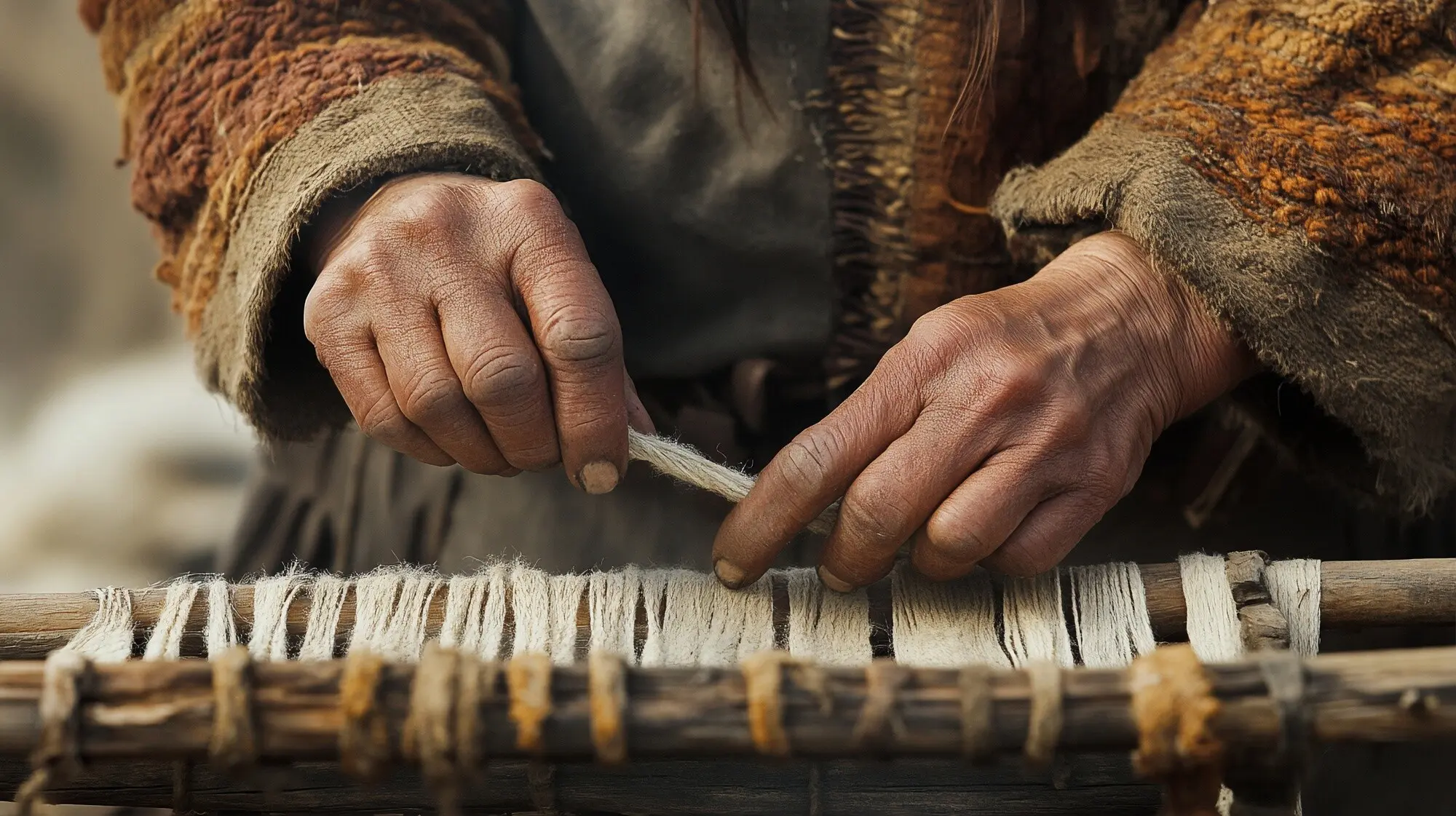
High pastures above Bohinj and the Karawanks shelter hardy flocks whose dense fleeces evolved with sudden winds and cold rains. Community shearing days, carding circles, and fireside spinning created garments and blankets that outlasted seasons of mountain weather. Today’s felters, knitters, and weavers adapt those rhythms with modern patterns and gentle scouring methods, honoring lanolin’s natural protection while shaping slippers, caps, and throws that breathe, insulate, and tell stories of alpine patience and care.

Deep Roots in Field and Pasture

Centuries of Slovenian know-how converge where river valleys meet spruce-capped ridges, shaping a living lineage of materials that reward patience and respect. Hemp once tied ships and bundled hay; beechwood furnished kitchens and workshops; alpine wool warmed herders through sudden storms. Understanding these intertwined legacies reveals why contemporary makers return to them, trusting their proven resilience, regional identity, and quiet beauty in products meant to last and be cared for across generations.

Regenerative Hemp Farming

Growers rotate hemp with legumes and cereals, using its rapid canopy to shade out weeds and its deep roots to loosen compacted soil. Dew-retting relies on morning moisture and microbial action rather than chemical baths, preserving fiber strength. Modern mechanical decortication separates bast and hurd cleanly, channeling stalk remnants into animal bedding or lime-hemp insulation. The result is longer, more uniform fibers that spin smoothly and weave into cool, resilient, low-impact textiles.

Responsible Beechwood Forestry

Foresters practice selective harvests that mimic natural disturbance, protecting biodiversity and keeping carbon rooted in thriving stands. Logs are tracked to local sawmills, where careful quarter-sawing and slow, renewably powered kiln-drying safeguard stability. Offcuts become pellets or smoker chips, and sawdust supports mushroom cultivation, tightening circular flows. By the time a maker planes a board, hidden stresses are calmed, enabling tight joinery, slender profiles, and durable finishes with fewer finishing chemicals.

Mountain Wool Processing

Scouring stations use tempered water and low-impact detergents to lift dirt while conserving lanolin for balms or waterproofing blends. Carding aligns fibers without overworking crimp, preserving loft and elasticity. Small-batch dyeing turns to walnut hulls, madder, and iron modifiers for earthy tones that age gracefully. Spinners target balanced twist for durable, pill-resistant yarns, empowering knitters and weavers to craft mittens, blankets, and felted footwear that stay warm even when mountain weather turns damp.

Material Character: Strength, Warmth, and Grace
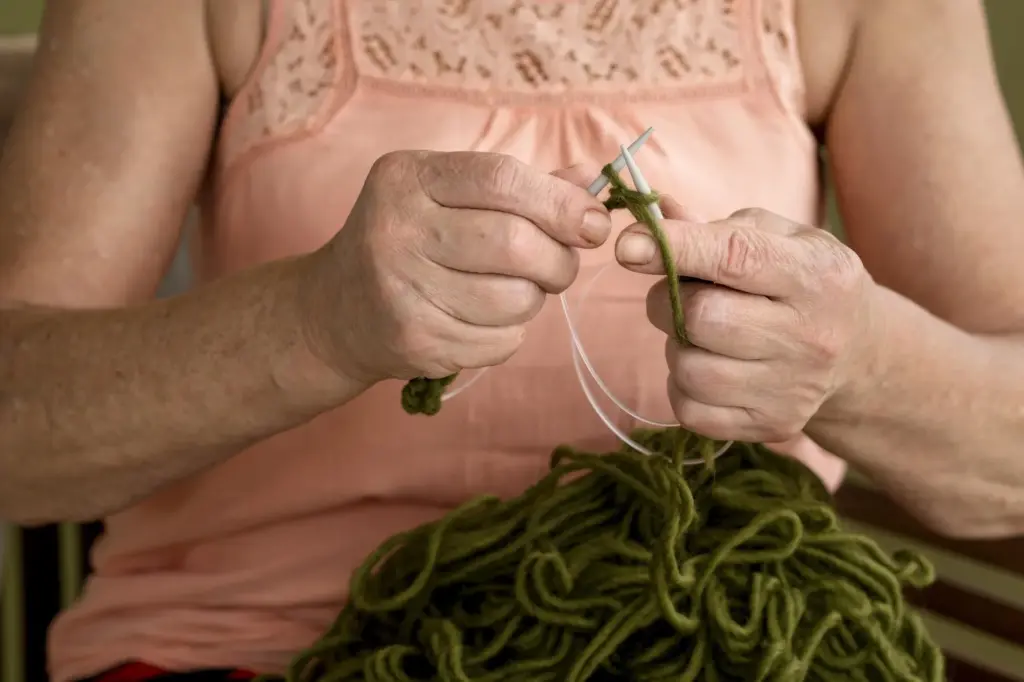
Each material brings a distinct voice to the maker’s bench. Hemp excels where tensile strength, breathability, and quick drying matter. Beechwood’s even texture rewards precision and elegant curves. Alpine wool moderates temperature and cushions movement through natural crimp. Together they open design pathways that prioritize sensory comfort, repairability, and trustworthy performance, proving sustainable choices are not sacrifices but generous upgrades that shape objects you appreciate more with daily use.

Hemp Textiles That Breathe and Endure

Hemp fibers resist UV degradation, wick moisture efficiently, and soften dramatically with wear while keeping their backbone. Blended with linen or organic cotton, they produce summer shirts, napkins, and aprons that dry quickly after washing. In the studio, warp threads stay reliable under tension, allowing crisp selvedges and stable yardsage. Over years, fabric acquires a gentle sheen and drape, inviting repair rather than replacement and rewarding mindful laundering with ever-better handfeel.

Beechwood: Precise, Hard, and Smooth

Beech’s tight pores shear cleanly, encouraging hand planes to leave glassy surfaces with minimal sanding. It steam-bends into back rails and sled runners, setting crisp radii without tearing. For kitchenware, its hardness resists knife marks, and its neutrality avoids imparting flavors. Makers praise its predictability: joints stay snug, dowels hold true, and finishes cure evenly. Chairs, utensils, and tool handles gain a quiet strength that complements confident daily handling and timeless interiors.

Makers, Places, and Stories That Keep Skills Alive

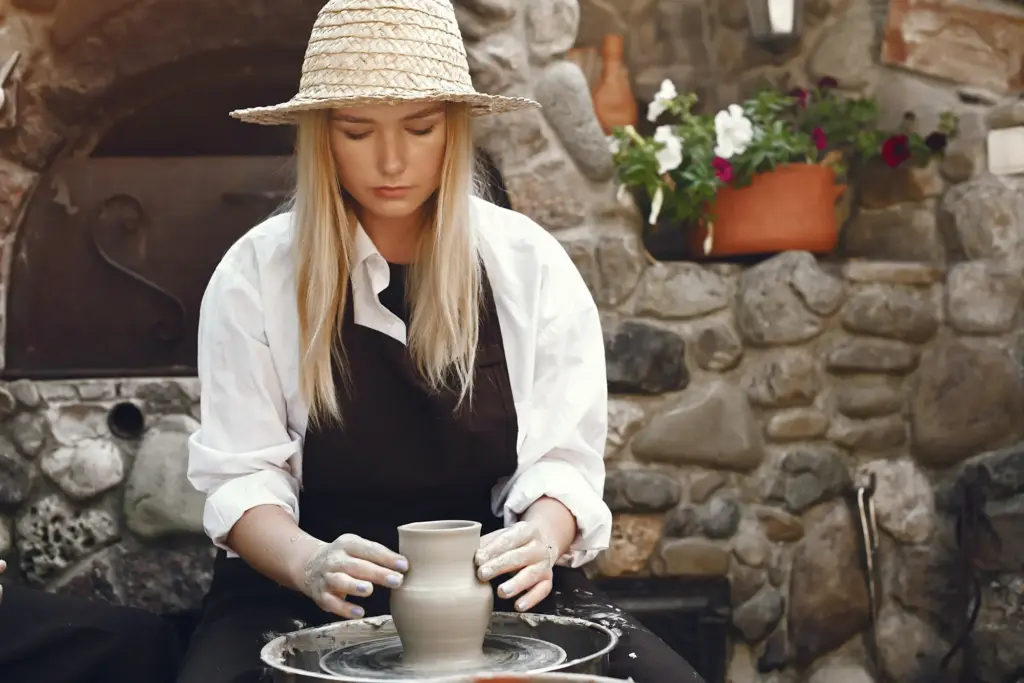
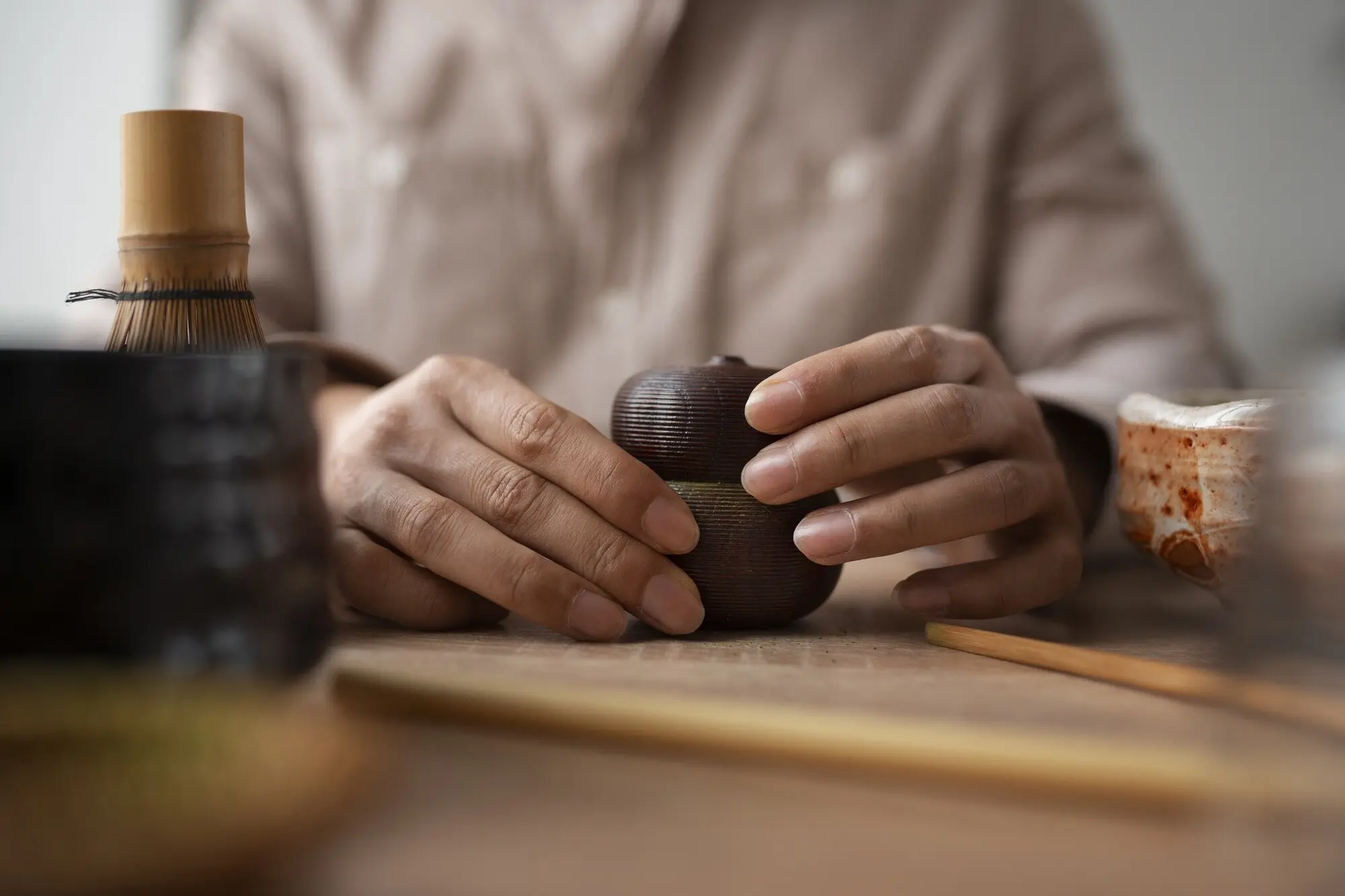
Craft survives through people who listen to materials and teach with generosity. Across valleys and towns, workshops hum with looms, shavings, and treadles. Their stories reveal the patience behind a perfect mortise, an even selvage, a consistent felt. Visiting, you hear laughter, smell linseed, and learn gestures that resist automation. Support from neighbors, micro-grants, and curious visitors helps apprenticeships form, bringing durable, useful beauty into homes while strengthening cultural memory and pride.

Short, Transparent Supply Chains

When hemp is spun in-region and cloth finished nearby, transit shrinks to hours rather than oceans. Beech logs marked at harvest can be traced to benches in neighborhood studios, letting buyers meet the person who shaped them. Shepherds publish shearing dates and flock health notes, inviting customers to visit pastures responsibly. This proximity builds trust, reduces emissions, and redirects value toward skills, maintenance, and landscape care rather than packaging, warehousing, and distant middlemen.

Biodegradability, Carbon, and Honest Endings

Hemp and wool return to soil under composting conditions, and well-loved beech can serve decades before becoming biofuel or mulch. Responsible finishes, low-toxin dyes, and natural oils protect both indoor air and eventual decomposition. Meanwhile, durable construction keeps objects in service longer, storing carbon while avoiding new manufacturing. Choosing repairable joinery, replaceable soles, and rewaxable textiles acknowledges life cycles openly, so endings are planned, respectful, and aligned with the landscapes that gave these materials.

Choose, Care, and Participate

Your decisions shape material futures. Selecting pieces made from hemp, beechwood, and alpine wool rewards thoughtful sourcing and proven performance, while care extends lifespans and deepens attachment. Join workshops, ask makers about processes, and share what you learn so neighbors discover alternatives to disposable goods. Subscribe for field notes, studio visits, and seasonal guides that turn admiration into action, strengthening a community of users who cherish repair, longevity, and place-based creativity.

How to Select Quality Pieces

For hemp textiles, check even selvedges, consistent picks, and a supple yet lively hand that promises softening with use. In beech goods, look for straight grain, clean joinery, and surfaces finished without blotches. For wool items, inspect even fulling or balanced twist, and ask about scouring and dyes. Favor makers who share sourcing details and offer care or repair guidance, signaling confidence, transparency, and commitment to keeping your purchase in service for years.

Care Routines That Extend Life

Wash hemp cool, line-dry, and embrace natural creases; they relax with wear. Oil beechwood periodically with food-safe linseed or walnut oil, wiping excess to maintain a protective sheen. Hand-wash wool with gentle soap, reshape, and dry flat away from radiators. Brush felt slippers, mend promptly, and rotate use to avoid uneven wear. Small rituals prevent damage, preserve performance, and reinforce a relationship with objects that improves well beyond their first weeks at home.

Join Workshops, Share Feedback, Subscribe
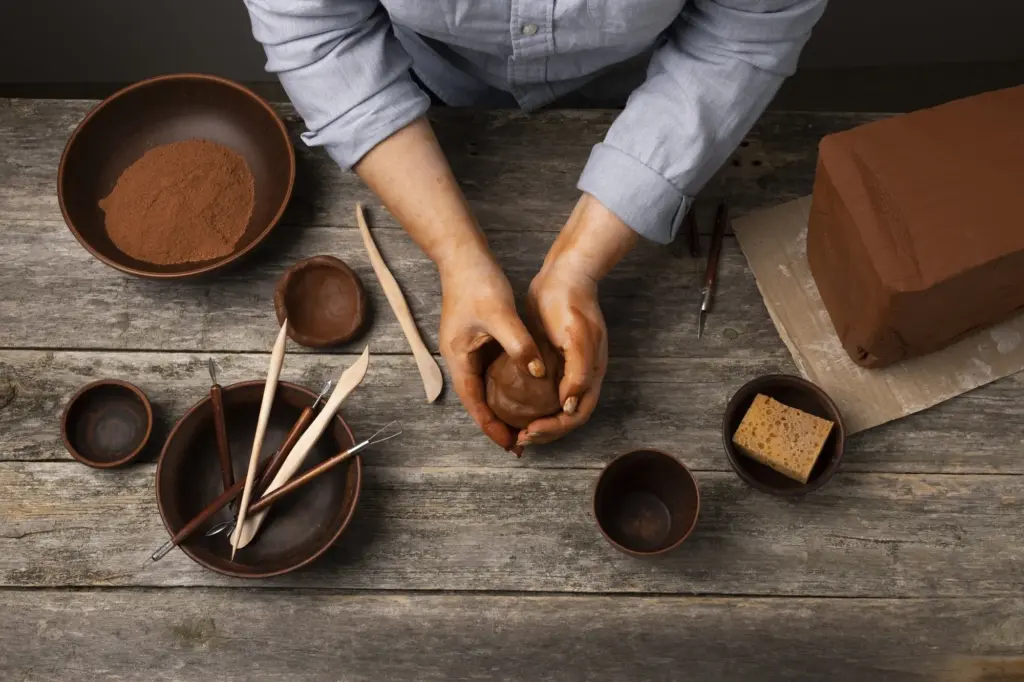
Attend open studios and regional fairs to meet growers, shepherds, and makers, trying your hand at spinning, felting, or steam-bending under safe guidance. Leave reviews that celebrate craftsmanship and detail how items perform in real kitchens and winters. Message questions about sourcing, dyes, or finishes; curiosity helps everyone. Subscribe to our updates for new stories, care reminders, and event calendars, and invite friends to join a thoughtful, hands-on circle that values durable, local beauty.
Faridarizerapalotavo
Privacy Overview

This website uses cookies so that we can provide you with the best user experience possible. Cookie information is stored in your browser and performs functions such as recognising you when you return to our website and helping our team to understand which sections of the website you find most interesting and useful.