Hands, Hills, and Fiber: Slovenia’s Sustainable Craft Materials
Hemp Along the Drava
Beech in the Dinaric Forests
Alpine Wool Traditions
Deep Roots in Field and Pasture

Regenerative Hemp Farming
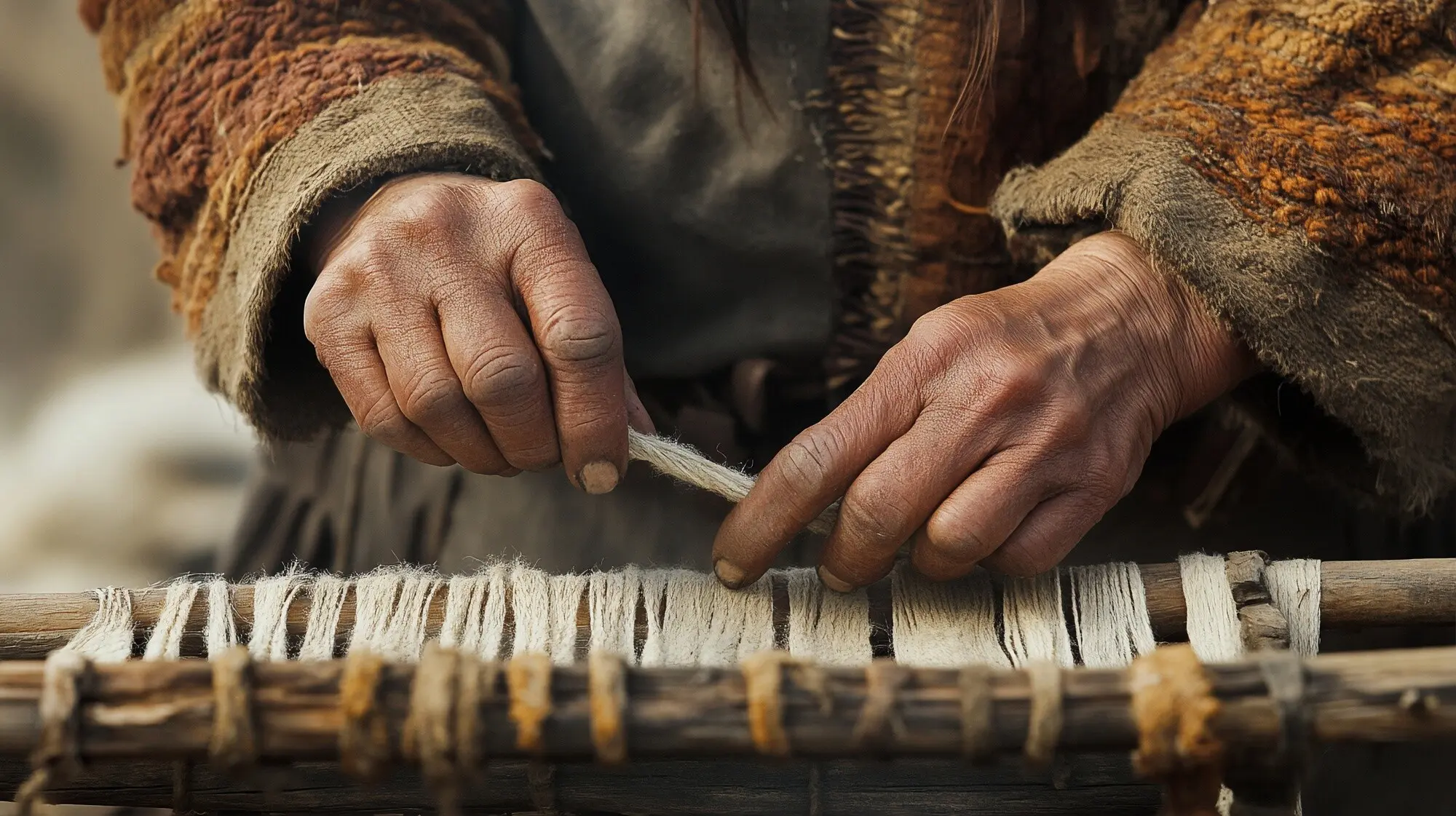
Growers rotate hemp with legumes and cereals, using its rapid canopy to shade out weeds and its deep roots to loosen compacted soil. Dew-retting relies on morning moisture and microbial action rather than chemical baths, preserving fiber strength. Modern mechanical decortication separates bast and hurd cleanly, channeling stalk remnants into animal bedding or lime-hemp insulation. The result is longer, more uniform fibers that spin smoothly and weave into cool, resilient, low-impact textiles.
Responsible Beechwood Forestry
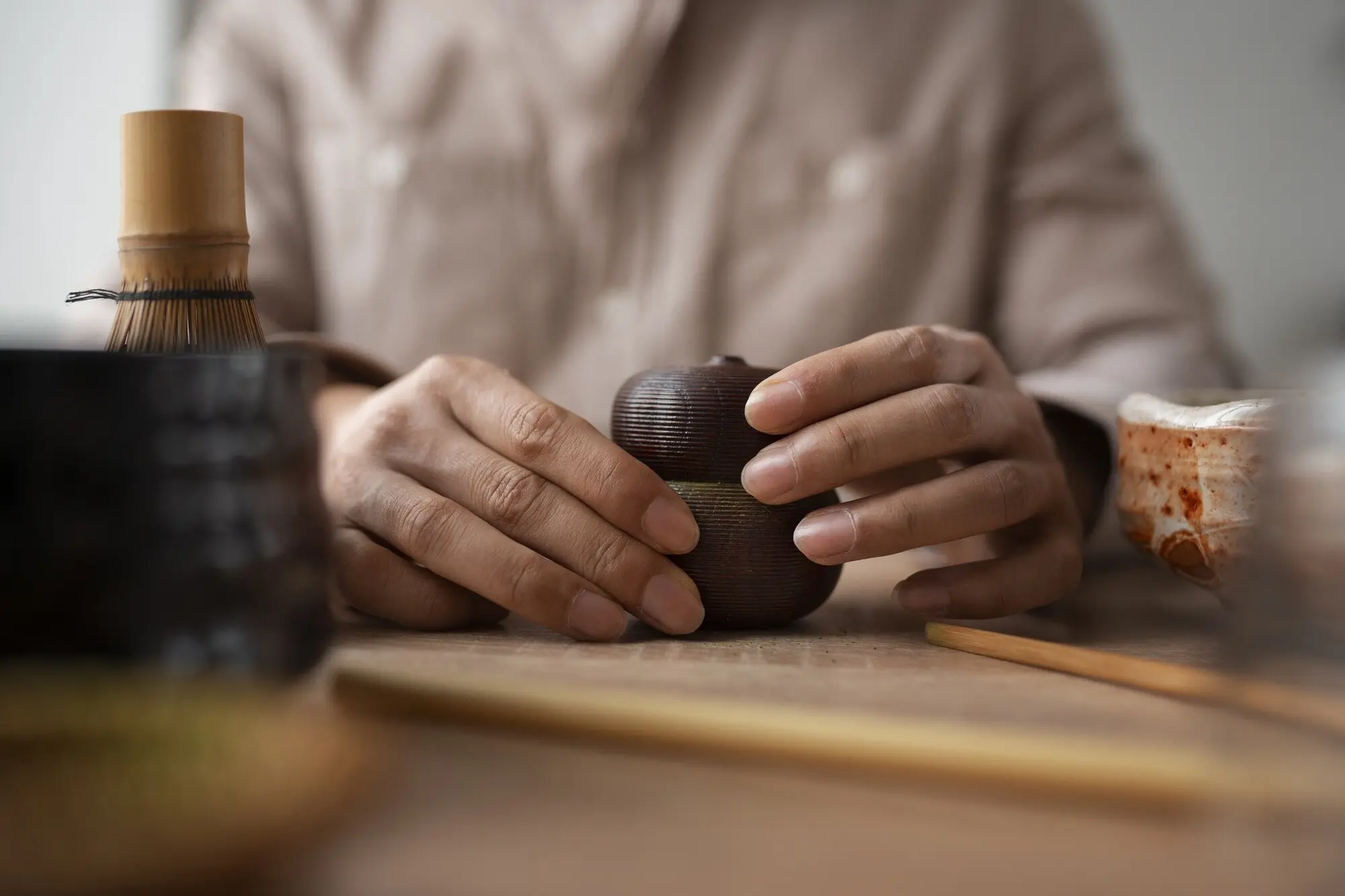
Foresters practice selective harvests that mimic natural disturbance, protecting biodiversity and keeping carbon rooted in thriving stands. Logs are tracked to local sawmills, where careful quarter-sawing and slow, renewably powered kiln-drying safeguard stability. Offcuts become pellets or smoker chips, and sawdust supports mushroom cultivation, tightening circular flows. By the time a maker planes a board, hidden stresses are calmed, enabling tight joinery, slender profiles, and durable finishes with fewer finishing chemicals.
Mountain Wool Processing
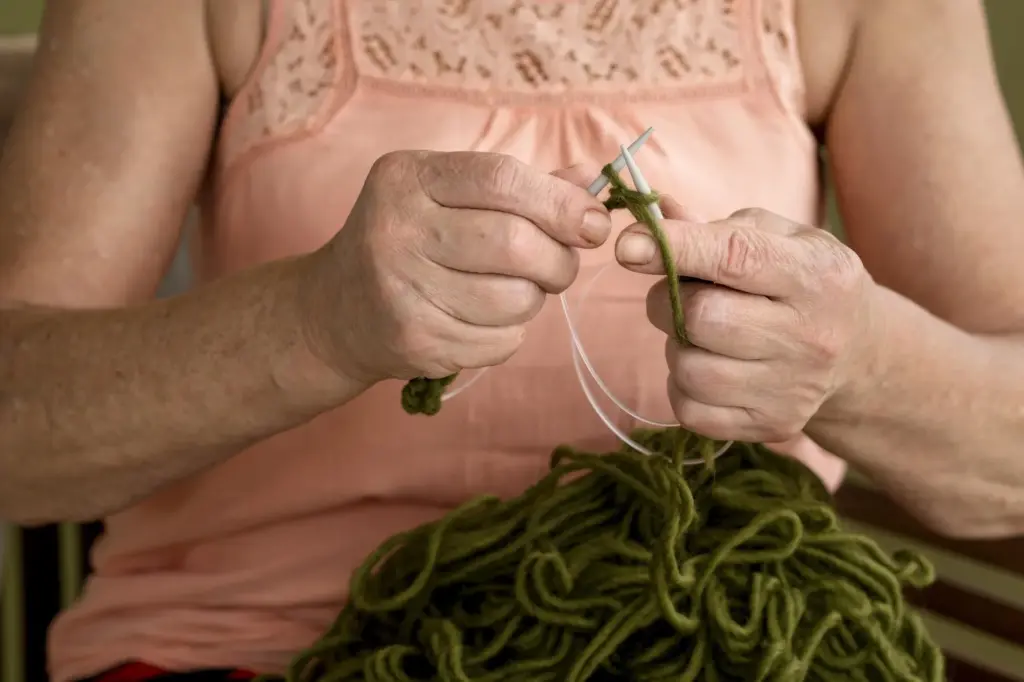
Scouring stations use tempered water and low-impact detergents to lift dirt while conserving lanolin for balms or waterproofing blends. Carding aligns fibers without overworking crimp, preserving loft and elasticity. Small-batch dyeing turns to walnut hulls, madder, and iron modifiers for earthy tones that age gracefully. Spinners target balanced twist for durable, pill-resistant yarns, empowering knitters and weavers to craft mittens, blankets, and felted footwear that stay warm even when mountain weather turns damp.
Material Character: Strength, Warmth, and Grace
Hemp Textiles That Breathe and Endure

Beechwood: Precise, Hard, and Smooth
Makers, Places, and Stories That Keep Skills Alive

Short, Transparent Supply Chains
Biodegradability, Carbon, and Honest Endings
Choose, Care, and Participate
How to Select Quality Pieces
Care Routines That Extend Life
Join Workshops, Share Feedback, Subscribe