
Wander Slowly Through Slovenia’s Living Crafts

Set your pace to gentle and let curiosity lead. Today we explore slow travel itineraries connecting Slovenia’s craft villages, where bobbins click in Idrija, wooden spoons gleam in Ribnica, salt sparkles at Sečovlje, and stories rise from forge, clay, glass, and honey. Expect unhurried routes, human encounters, warm kitchens, and souvenirs shaped by hands that still remember ancestral rhythms. Share your questions, ideas, and treasured finds with us as you journey.

A Gentle Route Across Regions

Trace a calm line from alpine foothills to the Adriatic, letting workshops and village squares determine your tempo rather than timetables. Begin among Ljubljana’s markets, arc toward Idrija’s lace, drift by rail to Radovljica and Kropa’s iron, meander through Ribnica’s woodcraft, detour to Rogaška Slatina’s crystal, and finally breathe sea air at Piran and the Sečovlje salt pans. Pause often, linger longer, ask names, and let conversations rearrange your map.
Leave the capital on a winding bus that climbs forested folds, where miners once rode and lace traveled in pocketed cloth. In Idrija, descend into a historic shaft for perspective, then ascend into light where bobbins tangle and untangle with musical patience. Book a short workshop, sip herb tea, and note how even the town’s streets seem stitched between hills. Take it slow; patterns reveal themselves only when you do.
A regional train glides beside silver water, delivering you to Radovljica’s gingerbread scents and beekeeping lore before a short hop to Kropa’s forge-hardened soul. Watch embers breathe as a blacksmith draws a glowing rivulet of iron into useful grace. Step outside to hear hammers echo like church bells across centuries. Return to the museum, trace family names on the nail-maker’s wall, and understand why patience feels like strength made visible.
Buses and bikes usher you toward the coast, where terracotta rooftops meet turquoise. Ride stretches of the Parenzana path, savor figs, then glide into Piran’s narrow lanes. Southward at Sečovlje, salt-makers tend shimmering pans, cultivating petola beds and harvesting crystals shaped by wind, sun, and time. Visit the museum, taste a delicate fleur de sel, and realize how an unhurried morning can season memories better than any itinerary ever could.

Meeting Makers with Respect

Respect transforms visits into friendships. Arrive with open eyes and flexible plans, ask before photographing, and purchase directly when possible. A brief hello in Slovene—dober dan, prosim, hvala—can brighten faces and open doors. Schedule workshops thoughtfully, honor prices as reflections of years of practice, and share your enthusiasm generously. Write artisans later with photos of their work in your home; such circles of gratitude keep traditions breathing and bright.

Crafts to Discover Along the Way

Slovenia’s workshops hum with diverse traditions that turn local materials into beauty. Lace blooms from fine threads in Idrija, black clay breathes smoke-dark secrets in Filovci, crystal sings under wheels in Rogaška Slatina, wood becomes humble genius in Ribnica, iron finds purpose in Kropa, and salt sparkles pure in Sečovlje. Exploring these places slowly reveals threads connecting land, history, and livelihood, reminding travelers that craft is geography made touchable and kind.

Idrija Bobbin Lace, Patterns of Patience

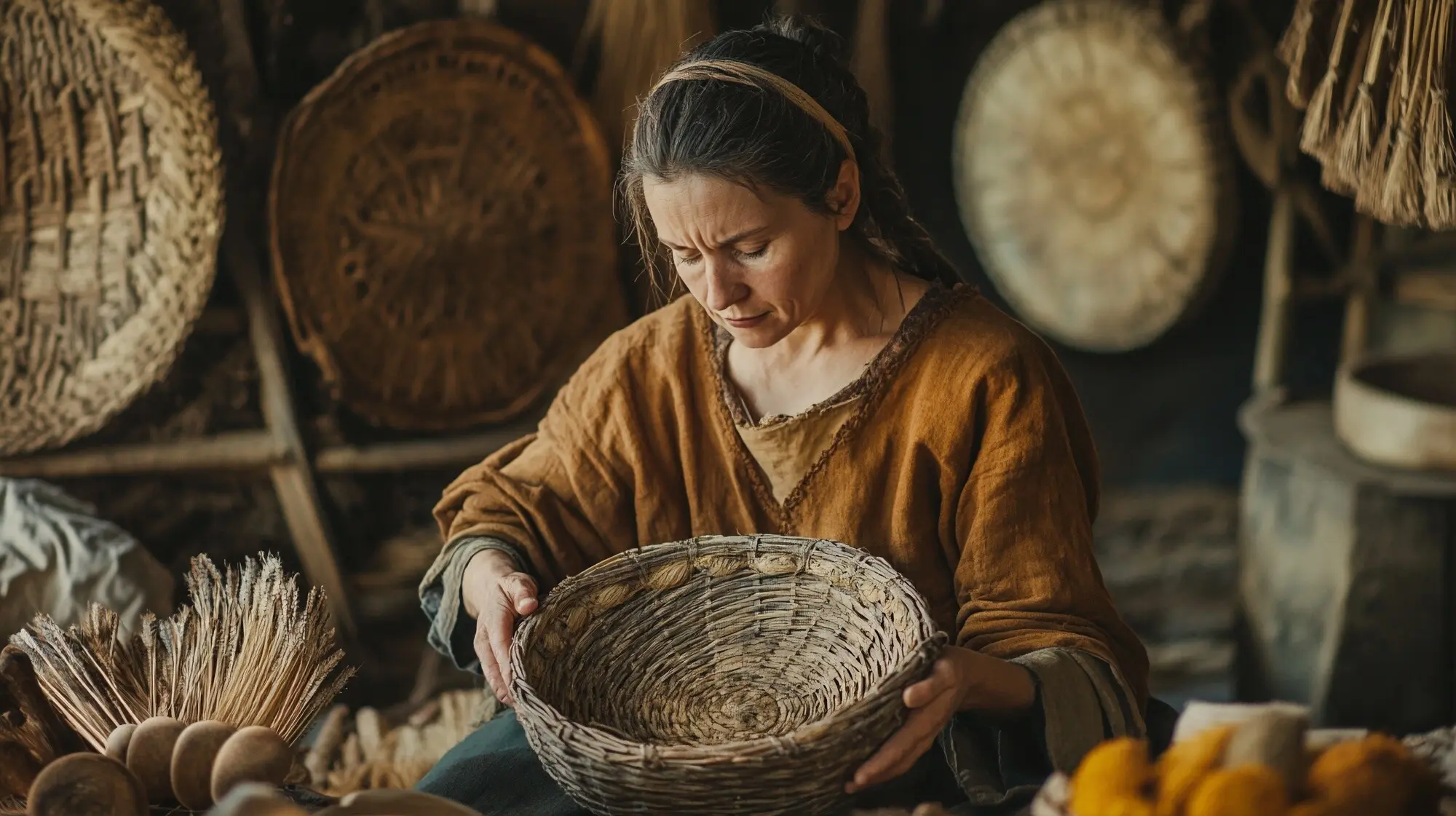
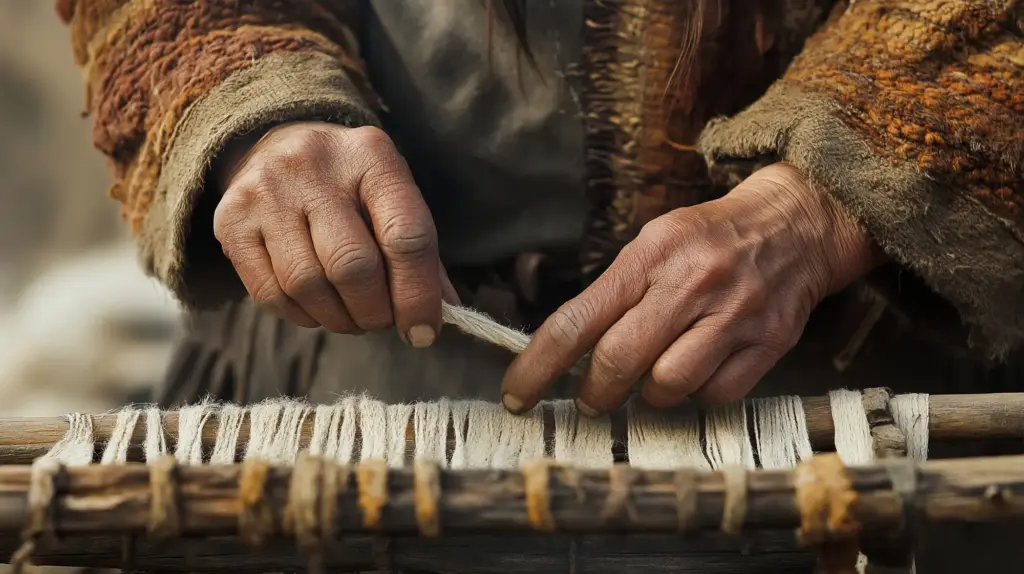
Watch bobbins dance across a pillow as pins chart constellations only a practiced mind can read. Local lace-making, recognized within Slovenia’s cherished heritage and celebrated internationally, turns gossamer threads into astonishing geometry. Visit a workshop or lace school, notice calloused yet gentle fingertips, and try a simple motif. The first knot humbles, the second encourages, and by the third you understand how silence, breath, and repetition weave endurance into beauty.

Ribnica Woodware, Useful as a Song

Ribnica’s woodenware stretches from ladles and sieves to toys and baskets, carried for centuries by traveling peddlers whose stories still echo at the famous fair. Step into a shed where curls of maple gather like blond snow, and see knives coax utility from humble planks. Ask about local woods, drying seasons, and the quiet math of handles that fit the hand. Everyday objects here become companions, singing softly through daily meals and chores.

Sečovlje Salt, Harvested by Sun and Wind

Walk wooden paths over mirror-bright pans and meet salt-workers tending petola, the living carpet that protects flavor and purity. Learn how weather writes the harvest, how wooden tools coax crystals, and why patience tastes like the sea’s shy smile. In the museum, decades fold into stories of families who read clouds like books. Sprinkle a few grains on bread and olive oil; the coastline suddenly becomes present, generous, and wonderfully simple.

Moving Slowly and Sustainably

Let the journey breathe by choosing regional trains, local buses, bicycles, and your own two feet. Slovenia’s compact scale rewards restraint, replacing rushing with noticing. Pack light to welcome detours and craft purchases without strain. Stay in guesthouses, tourist farms, and small inns that value local sourcing. Share rides when rural connections are thin, and offset generously. Slow movement turns the map into a conversation, reduces footprints, and leaves more energy for meaningful encounters.

Trains and Buses that Unwind the Day

Regional lines glide beside rivers and under hills, stitching towns together at humane speeds. Reading on board becomes part of the landscape; conversations with seatmates turn into tips about hidden forges or morning markets. Keep schedules flexible, accept occasional pauses, and treat delays as invitations to watch clouds. The day expands when engines hum softly and windows frame valleys, reminding you that arrival matters less when the in-between is nourishing.

Cycling the Parenzana and Country Lanes

Where rail once ran, bicycles now whisper. The Parenzana’s tunnels and viaducts offer gentle gradients and sea-scented vistas, while inland country lanes thread fields, hayracks, and chapels. Rent locally, carry a small toolkit, and greet farmers along the way. Lock your bike respectfully near workshops and linger without worrying about parking. Pedaling keeps you close to birdsong and shop doors, letting craftsmanship appear naturally, just around one more sunlit bend.

Tastes and Stories at the Table

Meals anchor the journey, pairing flavors with the hands that shape them. In Idrija, dumplings curl memories of miners’ lunches; by Radovljica, honeyed hearts glow beside painted beehive panels; along the Karst, pršut meets robust Teran and a pinch of coastal salt. Prekmurje layers sweetness into gibanica, while farmhouse soups steady rainy afternoons. Ask about recipes, applaud seasonal simplicity, and let the table gather strangers into a circle of easy belonging.

Dumplings After Lace in Idrija

Settle into a modest inn where steam fogs the window and plates arrive bearing tender žlikrofi with savory sauce. Between bites, a host might gesture toward the hillside mine and recall grandparents’ shifts underground. Food, like lace, takes time and attention; both reward patience with delicate textures. Thank your cook, ask about herbs, and offer to carry the story forward by teaching the word žlikrofi to someone you meet down the road.
Honey-bread Hearts and Painted Panels

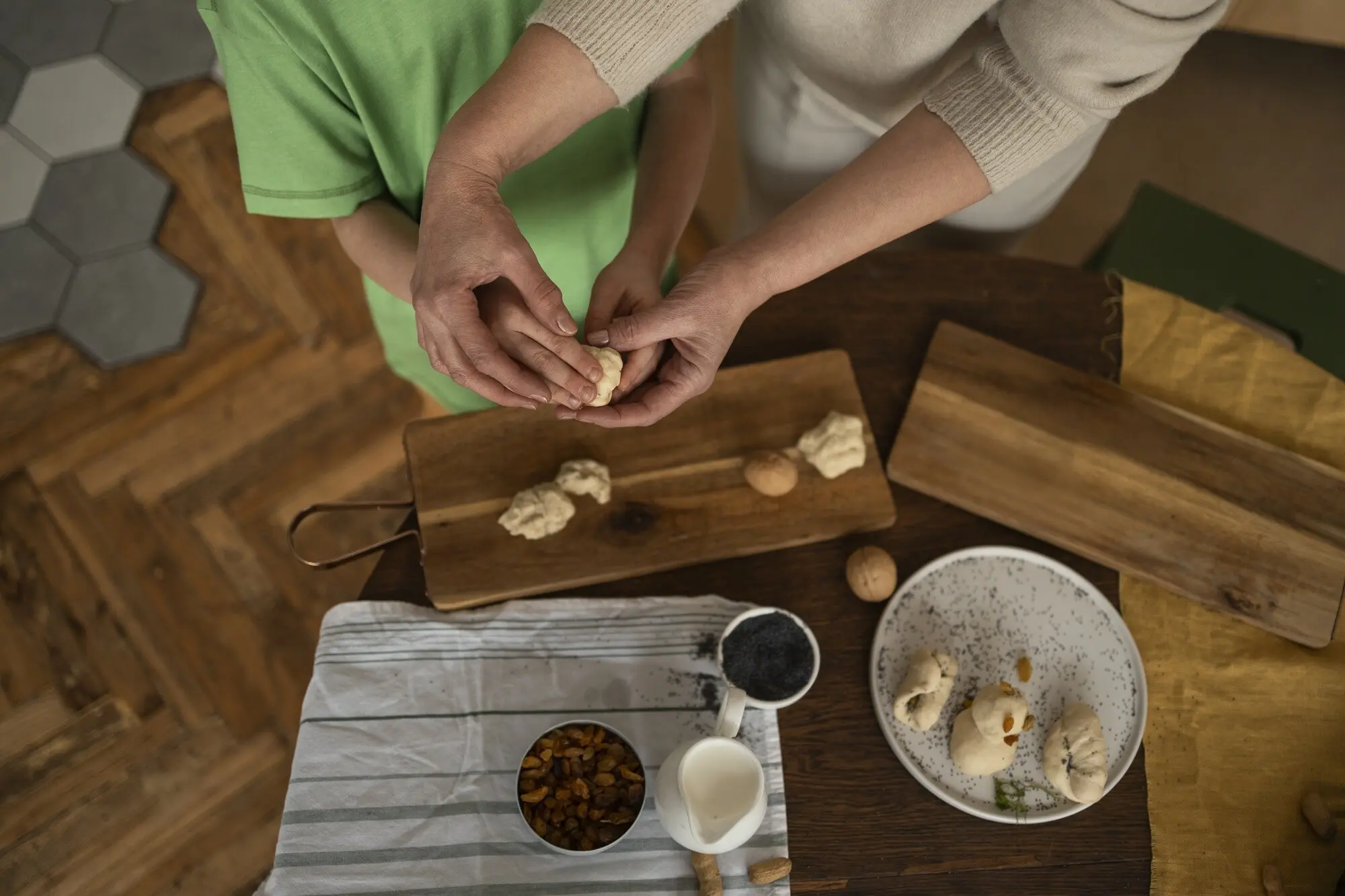
In Radovljica, step into a warm shop where wooden molds imprint gingerbread with centuries of fondness. Upstairs, the apiculture museum celebrates bees and the whimsical art of painted beehive panels. Taste varietal honeys, compare blossoms, and learn how forests and meadows flavor each jar. Carry a small heart-shaped cookie for the road, and notice how its spice brightens conversations with artisans who also sweeten the day with practiced kindness.
Karst Cellars and a Pinch of Sea

South of limestone cliffs, pršut hangs in cool air, slowly concentrating its quiet music. Pour a glass of dark Teran and add a few crystals of coastal salt; the pairing is modest, perfect, and complete. Cellar hosts explain winds and stone, farmers describe time as their main ingredient, and you realize the journey’s rhythm mirrors curing: unhurried, intentional, sure. Raise a glass to patience, then carry it carefully into twilight.
Hands-on Moments You’ll Remember

Doing anchors learning in muscle and breath. Schedule small workshops—a lace bookmark, a carved spoon, a simple clay cup, a forged hook—and accept imperfection as evidence of presence. These objects become lodestars on your shelf, humming with the voices that guided you. Ask to sign your piece, note the village name beneath, and photograph your teacher’s hands beside it. When you return home, these mementos tutor your days toward slowness again.

A Lace Pattern Learned Stitch by Stitch

Sit at a pillow with pins glinting like dew. The instructor places your fingers, names the movements, and lets you fail gently forward. Soon the bobbins begin to converse, and a tiny pattern blooms. Loose ends reveal where attention wavered, while tidy corners reward steady breath. Roll your sample, tie it with thread, and feel how concentration’s quiet pleasure lingers long after footsteps leave the creaking floorboards of that bright, generous room.
Clay Under Fingernails in Filovci

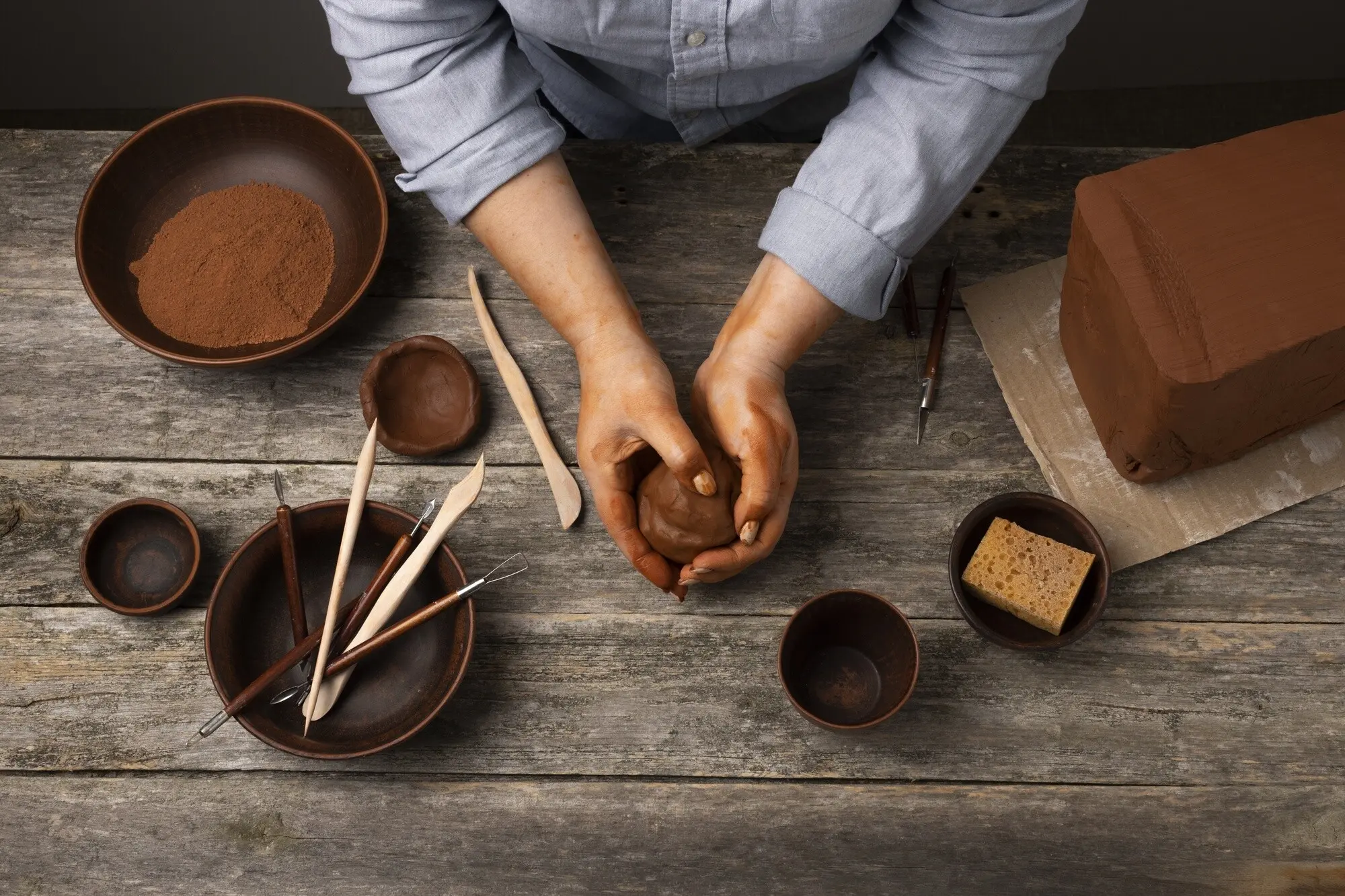
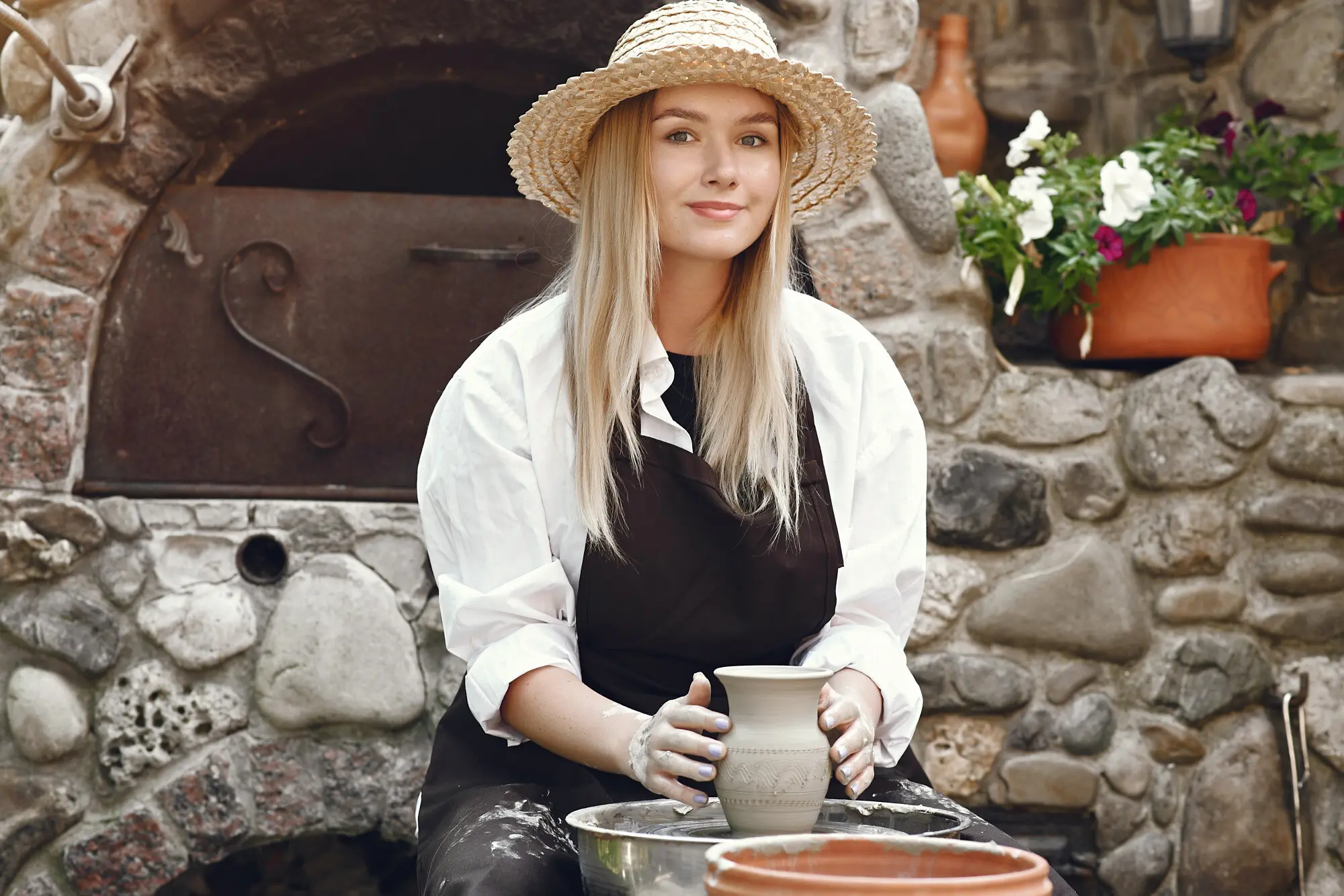
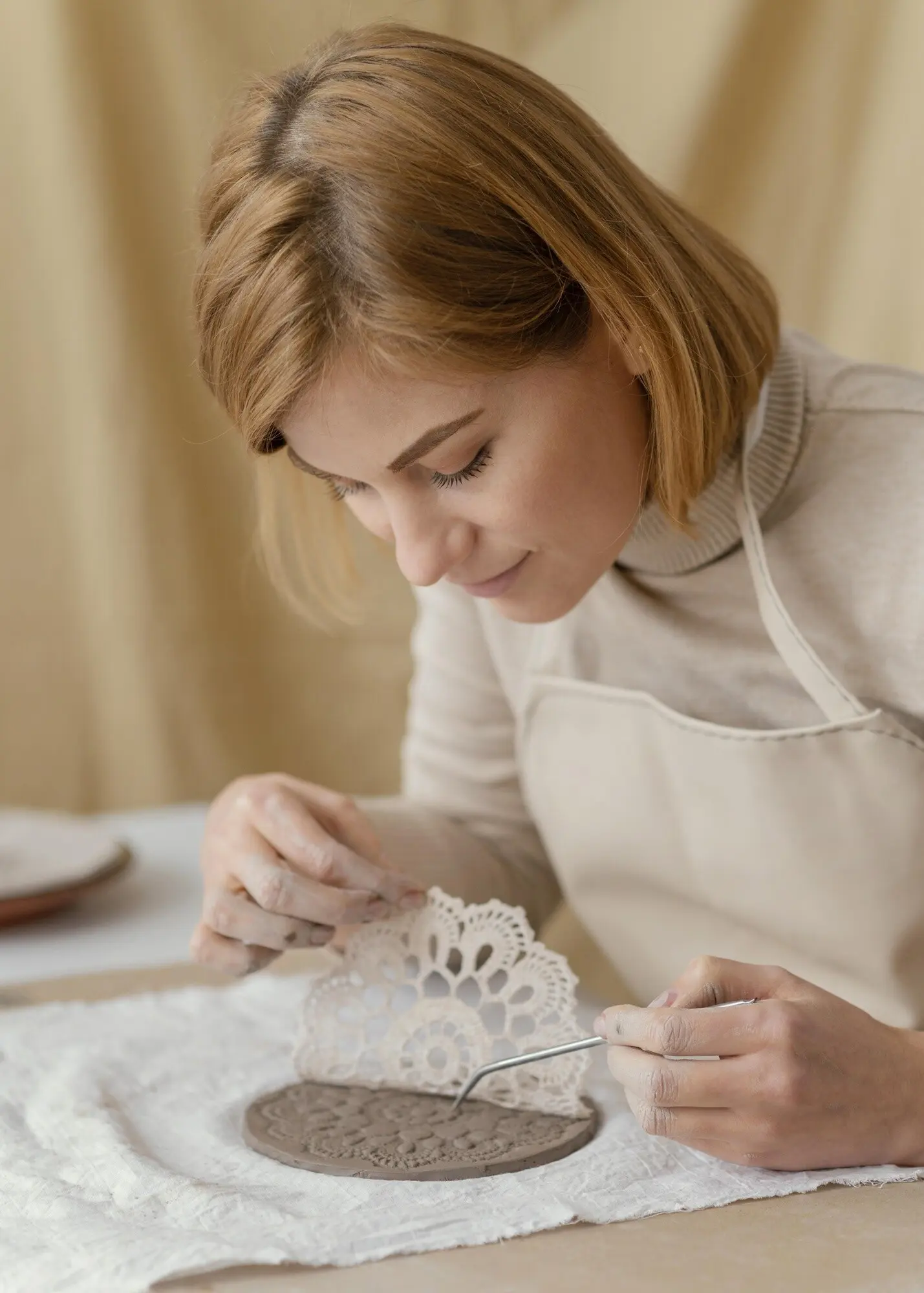
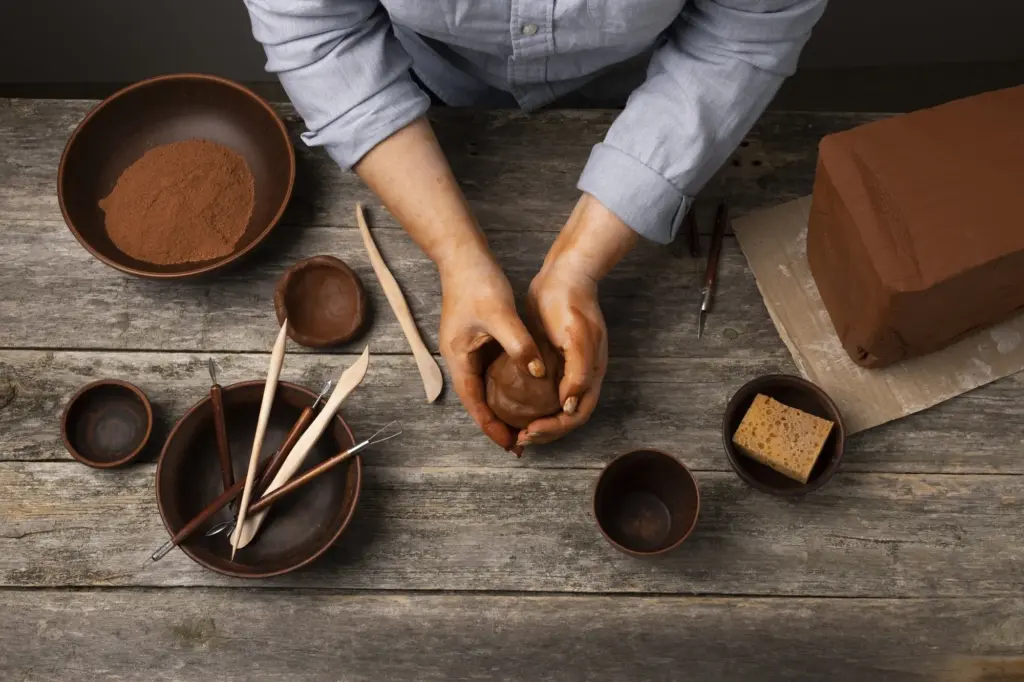
At a low table, clay remembers rivers and reeds. A potter’s wheel turns, and your palms search for center while a patient voice steadies the wobble. Smoke-darkened pottery around the room keeps watch, each pot a night sky of tiny constellations. When your cup collapses, laugh; when it stands, marvel. Names of tools become new friends, and the kiln’s gentle roar follows you into evening like a lullaby learned by heart.
Whittling a Spoon Beside a Hayrack

Under the sheltering ribs of a hayrack, a carver’s knife shows how to read grain like a map. Shavings curl into a fragrant nest while your thumb finds where a handle wants to rest. Mistakes soften into design choices, and utility guides beauty toward balance. Oiling the finished spoon, you glimpse your reflection mingled with wood’s quiet light. This companion will steer soups and stories, reminding you that usefulness can be tender.
Practical Planning Without Rush

Design your days as open invitations rather than tight schedules. Check workshop hours ahead, but leave space for detours. Local festivals—lace celebrations, village fairs, harvest gatherings—add lively edges to calm travel; verify dates through regional tourist offices. Budget for fair purchases, pack a foldable tote, and bring a small journal for names, phrases, and sketches. Most of all, protect empty afternoons; discoveries prefer unbooked hours and travelers who listen more than they hurry.
Faridarizerapalotavo
Privacy Overview

This website uses cookies so that we can provide you with the best user experience possible. Cookie information is stored in your browser and performs functions such as recognising you when you return to our website and helping our team to understand which sections of the website you find most interesting and useful.